Table Of Content

On 22 November 2008, Costa Concordia suffered damage to her bow when high winds over the Sicilian city of Palermo pushed the ship against its dock. There were no injuries and repairs started soon after.[16][17][18]Initial repairs were completed by the December following the incident, but dents were still visible.
Trials
The Costa Concordia began taking on water after it struck a reef, leading to a chaotic evacuation process to save the lives of passengers and crew members. Let’s delve into the specifics — the cruise industry witnessed the birth of new lifesaving protocols and evacuation drills that were now to be completed before a ship could even leave the harbor. Crew members underwent extensive training, focusing on their assigned roles and emergency response techniques. It was evident that the prior status quo could no longer stand, with the cruise ship crash Italy event catalyzing change.
Securing wreck site and protecting environment

Delving into the details of Schettino’s conduct before and after the collision reveals multi-faceted insights into the harrowing event. As I stand here today, the once majestic beacon of the cruise industry lies dormant. The Italian cruise ship crash changed the physical landscape and the lives of all involved. Yet, from the depths of despair, the strength of the human spirit has shone brightly, reminding us of the power of unity in the face of disaster.
'We all suffer from PTSD': 10 years after the Costa Concordia cruise disaster, memories remain
He left about 300 passengers on board the sinking vessel, most of whom were rescued by helicopter or motorboats in the area. Despite receiving its own share of criticism, Costa Cruises and its parent company, Carnival Corporation, did not face criminal charges. To understand the tangible changes post-Costa disaster, I delved into the modifications in training and regulations.
Captain Schettino, often referred to as Captain Costa Concordia, has been pivotal in the narrative, facing widespread vilification for decisions that led to the shipwreck. The gravity of the captain’s choices that fateful night is anchored deeply in the consciousness of the maritime industry and those affected by the disaster. Costa Concordia, the Italian cruise ship that sank off the coast of Italy in January 2012, is finally leaving her resting place. More than 4,000 passengers and crew were onboard the doomed Costa Concordia when it struck rocks after Schettino allegedly changed course in order to carry out a sail-by salute of a Mediterranean island to impress holidaymakers. On January 13, 2012, Costa Concordia hit a rock off the coast of Giglio, an island on Italy's Tuscan coast. Thanks to an amazing feat of modern engineering, the ship was pulled upright and hauled away to Genoa to be scrapped.
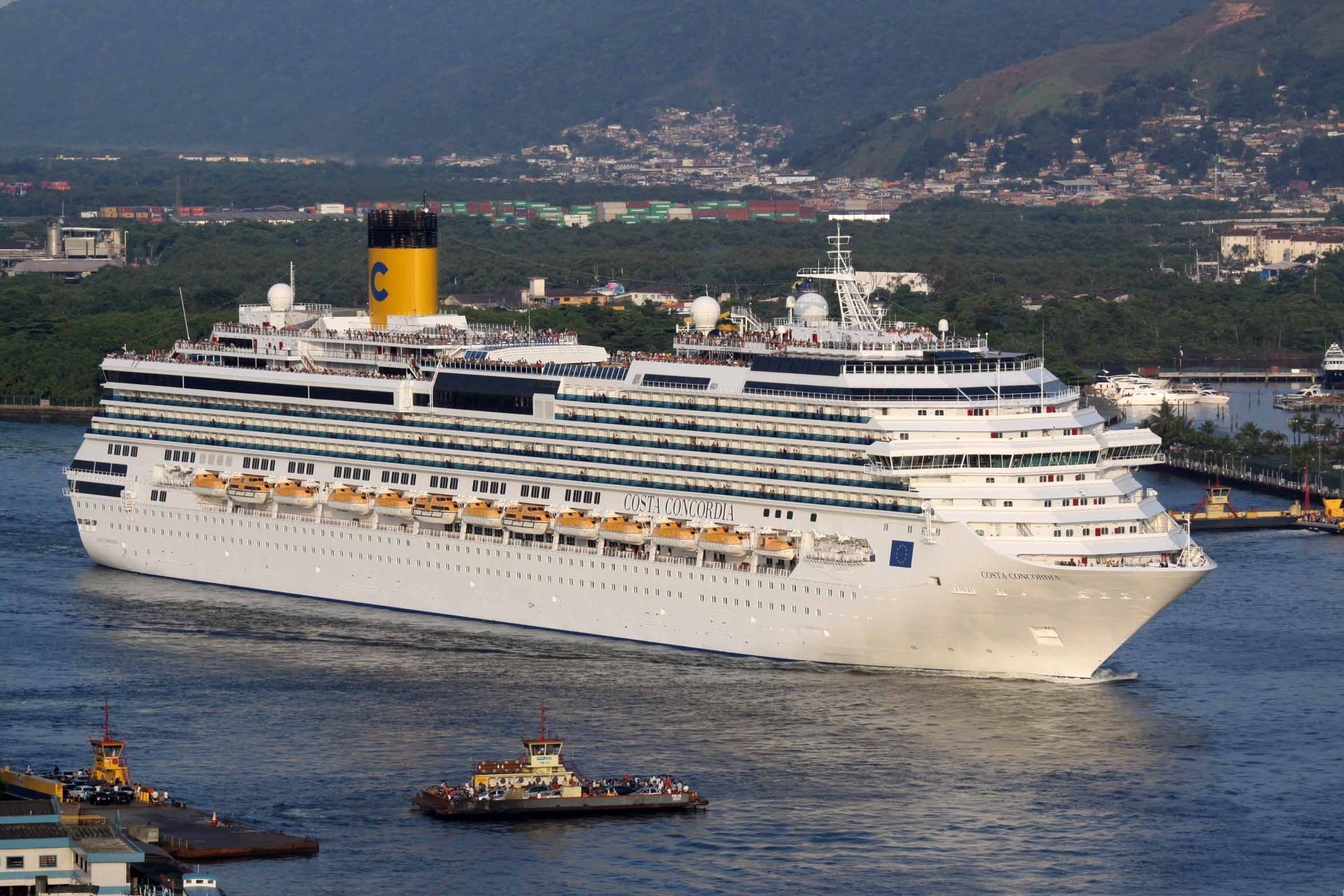
A look back at the Costa Concordia disaster after 10 years - Daily Sabah
A look back at the Costa Concordia disaster after 10 years.
Posted: Thu, 13 Jan 2022 08:00:00 GMT [source]
Check out Cruise Critic's archives for our full coverage of the Costa Concordia sinking. During this time, work also began to remove the vessel in what was the largest maritime salvage operation in history. It was not until September 2013 that the 114,000-ton Concordia was finally righted. The 19-hour process involved specially built underwater platforms, cranes, and some 500 people. In July 2014 the Concordia—outfitted with a number of steel containers serving as flotation devices—was towed to Genoa, Italy, where it was dismantled for scrap.
A Concordia victim talks about how the sinking affected the lives of her and her family during the first year after the event. Once Costa Concordia was upright, it needed to be raised up out of the water and refloated to be towed to a scrapyard. See photos of Costa Concordia in the first days after it capsized and sank, as well as the survivors taking in the scene from Giglio, Italy.
How did the evacuation of the Costa Concordia unfold?
My involvement in the Costa Concordia scrapping process allowed me to witness first-hand the sophistication and the scale of operations required to counteract the damage. Approximately 500 international salvage experts collaborated on what would become a historic mission, utilizing advanced underwater platforms and cranes to parry further environmental injury. The events unfolded on the night of January 2012, leaving an indelible mark on history as the cruise ship Costa Concordia sank in Italy.
With the sinking Concordia losing its battle against the relentless water, an evacuation was not just necessary but imperative. The crew and passengers faced a night of uncertainty, forced to abandon the comforts of their cabins for lifeboats and, in some instances, into the open sea. As the evacuation unfolded, the stark contrast between the sinking of the Costa Concordia and the luxury it stood for before the accident couldn’t have been more pronounced. The sad anniversary comes as the cruise industry, shut down in much of the world for months because of the coronavirus pandemic, is once again in the spotlight because of COVID-19 outbreaks that threaten passenger safety. The U.S. Centers for Disease Control last month warned people across-the-board not to go on cruises, regardless of their vaccination status, because of the risks of infection.
The work done by salvage teams was not just a technical achievement but a concerted effort to preserve a vulnerable ecosystem that had the misfortune of being the stage for this tragedy. As the wake of the Costa Concordia tragedy continued to spread, the legal repercussions for those involved were swift and significant, signaling a new chapter of accountability following the maritime disaster. The latest news on Costa Concordia reverberated through the corridors of justice as several crew members faced the consequences of that fateful night. The Costa Concordia shipwreck, challenging as it was, brought together numerous stakeholders, from environmentalists to engineers, all dedicated to mitigating its impact. Introducing oil booms and proactive fuel extraction efforts displayed an unwavering commitment to environmental stewardship. This ship sank in 2012, but the echoes of the Costa Concordia tragedy still resonate powerfully.
Today, the Costa Concordia cruise ship bears a tale of caution, a lesson submerged in the depths of nautical annals. Before the concordia shipwreck turned the vessel into a byword for disaster, let me guide you through its glory days—the triumph of engineering and luxury it once represented. Thirty-two people died after the Costa Concordia cruis ship ran aground with more than 4,000 passengers and crew on 13 January 2012, only hours after leaving the Italian port of Civitavecchia. Prosecutors blamed the delayed evacuation order and conflicting instructions given by crew for the chaos that ensued as passengers scrambled to get off the ship.
Thus, I commit to ensuring that while the Costa Concordia may have sunk, the souls aboard will never fade into the forgotten depths. The echoes of the catastrophe stretch into the present, as each anniversary passes with the gravity of loss undiminished. Mindful of the human cost, it’s not just about recounting the Costa Concordia deaths but also about preserving the memory of each person who perished in the dark waters of that fateful night. In the wake of the trial, reflections on Captain Schettino‘s pivotal role entailed recognizing the stark contrast between his actions and the exemplary behavior expected of individuals in his command. It points to an overarching and pressing need for stringent adherence to the tenets of maritime conduct and the weighty responsibility resting on ship commanders.